The Role of Lighting in Creating Stunning Wedding Portraits
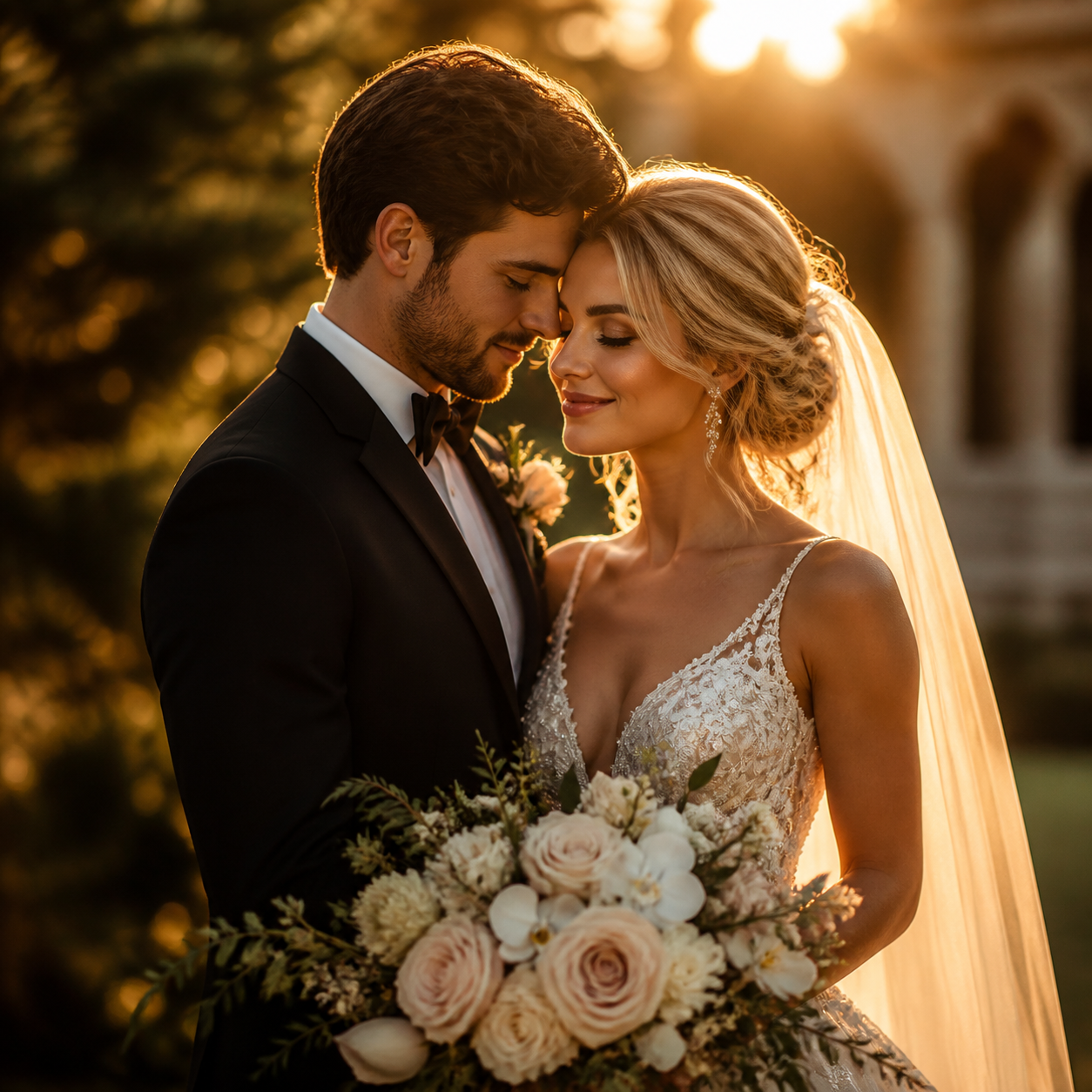
Lighting is one of the strongest creative tools in wedding photography. It affects how a couple feels in front of the camera, how skin tones appear, and whether an image feels airy, intimate, dramatic, or timeless. A thoughtful lighting approach supports the story of the day rather than distracting from it.
For photographers, the goal is to shape light while preserving genuine expressions. For couples, understanding that process makes it easier to recognize a photographer whose portfolio remains beautiful in bright gardens, dim reception rooms, and everything between.
Why Lighting Matters in Wedding Portraits
Lighting matters in wedding portraits because it controls mood, skin tone, depth, detail, and visual focus. The same couple in the same pose can look soft and romantic beside a bright window, bold and editorial beneath hard sunlight, or dramatic with a carefully placed flash.
Light direction determines where shadows fall across the face and clothing. Light quality determines whether those shadows have gentle edges or strong contrast. Soft light usually flatters skin and creates a calm, forgiving appearance, while hard light can reveal texture and produce a more energetic, graphic result.
Color temperature also changes the emotional character of an image. Warm sunset light can make a portrait feel affectionate and nostalgic. Cooler window light may create a refined, modern mood. Mixed sources, such as daylight entering a room alongside amber lamps, can add atmosphere, although they require careful control to keep skin tones natural.
Lighting also supports wedding portrait composition. A bright doorway can frame the couple, a shaft of light can direct attention toward a ring or expression, and a darker background can separate the subjects from a crowded venue. Good lighting gives the eye a clear path through the photograph.
Using Natural Light for Romantic, Timeless Images
Natural light creates wedding portraits with an authentic, graceful quality when the photographer chooses the right direction and intensity. Window light, open shade, overcast skies, and golden hour each offer a different balance of softness, contrast, and color.
Window light and open shade
Large windows are valuable during bridal preparations and indoor portraits. Positioning the couple slightly to the side of the window creates gentle modeling across the face while preserving detail in the dress, veil, and flowers. Turning the couple toward the glass produces brighter eyes; turning them farther away increases shadow and mood.
Open shade works well outdoors when direct sunlight is too intense. The edge of a building, a covered terrace, or the shade of a large tree can soften contrast without making the scene look flat. The photographer should still watch the background: a bright patch behind the couple can pull attention away from their faces.
Overcast skies and golden hour
Overcast weather acts like a broad diffuser. Clouds spread sunlight across the sky, reducing harsh shadows and making it easier to photograph relaxed expressions. The trade-off is lower contrast, so composition, background color, and subtle posing become more important.
Golden hour, the period shortly before sunset, is popular because the sun sits low and produces warm, directional light. It can illuminate the couple from the side or create a glowing rim around hair and veils. Golden-hour light is beautiful, but it is brief and changes quickly. A realistic wedding timeline may allow only 10 to 20 minutes, so photographers need a simple plan rather than several complicated setups.
Creating Drama with Direction, Shadows, and Backlighting
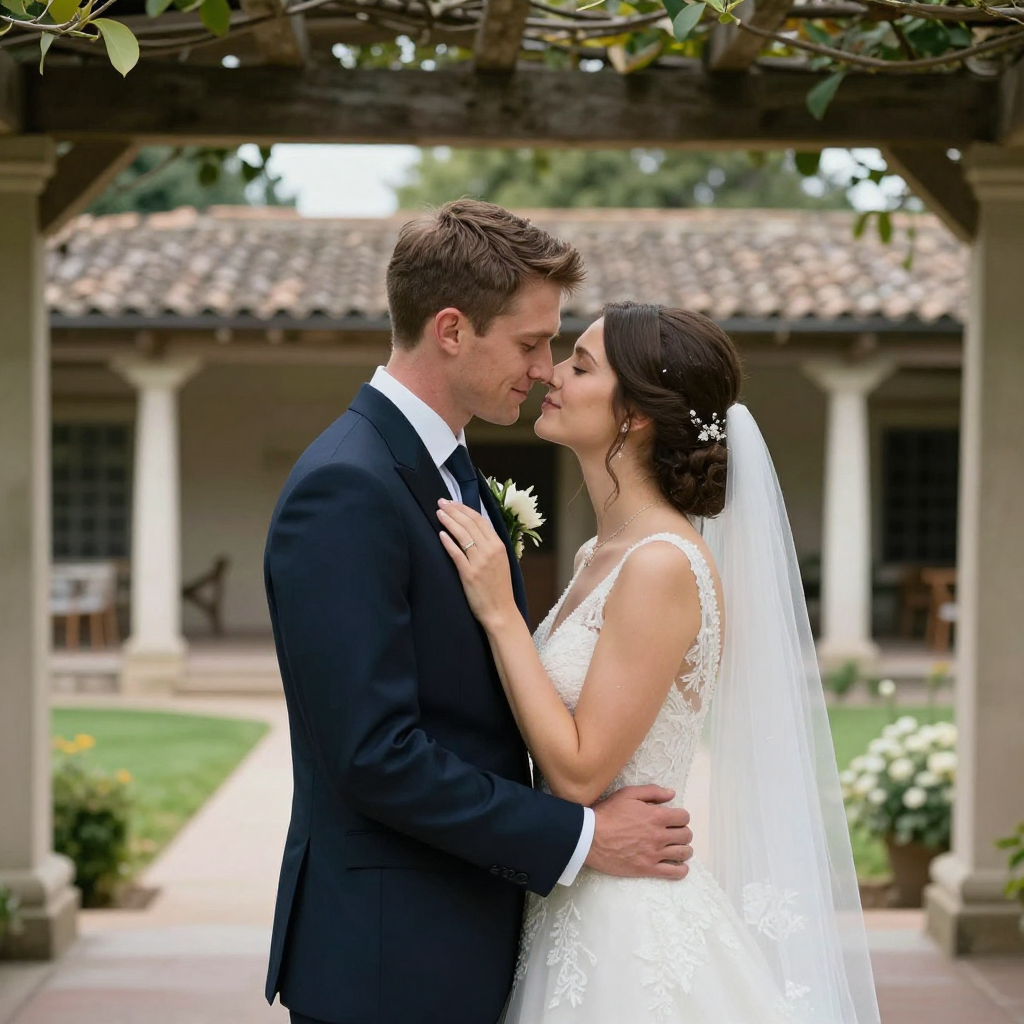
Light direction and controlled shadows add dimension by shaping faces, separating the couple from the background, and guiding attention. Backlighting is especially effective when the photographer wants a luminous, romantic portrait with a sense of atmosphere.
Front light reduces shadows and gives a clear, evenly lit appearance. Side light creates more depth because one side of the face receives illumination while the other falls into softer shade. A slight turn toward the light often produces definition without making the portrait feel severe.
Backlighting places the main light source behind the couple. During golden hour, it can create glowing hair, translucent fabric, and a warm halo around the subjects. The photographer must protect the exposure on faces, either by adjusting position, using exposure compensation, or adding a gentle fill source. Without that control, the couple may become too dark against a bright sky.
Shadows should be intentional. A doorway, patterned window, or architectural feature can cast visual lines across the scene and create an editorial effect. However, broken sunlight through leaves can create distracting spots on skin. Moving the couple a few feet or using a diffuser may solve the problem quickly.
A useful decision framework is direction, softness, and separation: where the light comes from, how gently it falls, and whether it separates the couple from the background. Adjusting one element at a time helps the photographer refine the image without losing the moment.
Artificial Lighting and Off-Camera Flash Techniques
Artificial lighting gives wedding photographers reliable control when natural light is weak, inconsistent, or unavailable. Off-camera flash, reflectors, diffusers, and portable light sources can add flattering illumination while keeping portraits natural and dimensional.
During an indoor portrait, a flash placed away from the camera can mimic light from a window. Angling it toward a wall or ceiling creates a larger, softer source. A direct flash aimed at the couple produces harder light and stronger shadows, which may suit a bold editorial portrait but can look harsh when used without intention.
Reflectors return light toward the subjects. A white reflector gently lifts shadows beneath the eyes and chin, while a silver surface creates more brightness and contrast. Reflectors work best when there is enough existing light to redirect. They cannot replace a primary light source in a very dark room.
Diffusers soften sunlight or flash by spreading it across a larger area. They are useful for bridal portraits near a bright window or during outdoor portraits in uneven light. The compromise is practical: a diffuser may require an assistant, occupies space, and can be difficult to use in wind or crowded venues.
At receptions, flash can freeze movement during a first dance, speeches, or a lively entrance. A photographer may balance flash with ambient exposure so the room remains visible instead of disappearing into blackness. This approach protects the atmosphere of the venue while keeping faces sharp.
Adapting to Common Wedding Lighting Challenges
Wedding photographers handle difficult lighting by changing position, controlling contrast, balancing color, and prioritizing the couple’s experience. No single setup works perfectly in every venue or weather condition.
Harsh midday sun
Direct midday sun creates deep eye sockets, squinting, and strong shadows beneath the nose. Moving into open shade is often the simplest correction. If shade is unavailable, the photographer can place the sun behind the couple, use backlighting, or employ a diffuser and subtle fill flash.
Mixed indoor lighting
Indoor venues may combine daylight, tungsten bulbs, LED fixtures, candles, and colored uplighting. These sources have different color temperatures, so skin may appear uneven if the photographer allows every light to dominate. Turning off distracting room lights, positioning the couple near one consistent source, or using flash with a matching gel can improve color balance.
Low-light venues and changing weather
Dark churches and reception rooms often require higher camera sensitivity or additional light, but technical adjustments alone do not solve every problem. A stable off-camera flash position can preserve sharpness and dimension. In rain or rapidly changing cloud cover, flexibility matters more than a fixed shot list.
The timeline adds pressure. A photographer may have only a few minutes between the ceremony and reception, so efficient lighting decisions protect both image quality and the couple’s schedule. The strongest professionals prepare backup options before the wedding day.
Matching Lighting Choices to the Couple’s Style
Lighting should match the couple’s preferred mood, venue, and visual style rather than follow a universal formula. Soft, bright lighting suits couples who want airy and romantic portraits, while directional or flash-based lighting can create a dramatic, fashion-led result.
- Soft and luminous: Window light, open shade, and diffused flash create gentle skin tones and an intimate feeling.
- Bright and timeless: Clean natural light, light backgrounds, and restrained shadows support a classic wedding aesthetic.
- Dramatic and editorial: Hard light, side lighting, deep shadows, and controlled flash produce stronger contrast and a fashion-inspired mood.
- Documentary and atmospheric: Available light, practical lamps, and minimal intervention preserve the character of the venue and genuine moments.
Style is also about consistency. A photographer may create a golden-hour portrait with backlighting, then use a soft flash indoors, but the gallery should still feel cohesive. Couples should discuss whether they prefer polished consistency, changing atmosphere, or a blend of both.
How Couples Can Assess a Photographer’s Lighting Style
Couples can assess a photographer’s lighting style by reviewing complete galleries in varied conditions, not only selected outdoor highlights. Look for consistent skin tones, flattering direction, emotional expression, and confident adaptation across an entire wedding day.
- Review indoor portraits, outdoor portraits, ceremony images, and reception photographs.
- Check whether faces remain natural in backlighting, low light, and strong sunlight.
- Look for detail in white wedding dresses and dark suits without distracting loss of texture.
- Notice whether flash preserves the room’s atmosphere or makes every image look flat and artificial.
- Ask how the photographer approaches rain, harsh midday sun, mixed color temperature, and a dark venue.
A full gallery reveals more than a portfolio of favorite images. It shows whether the photographer can maintain quality when the light changes and the timeline becomes unpredictable. The right choice depends on the couple’s priorities: gentle romance, dramatic impact, documentary realism, or a carefully balanced combination.
Frequently Asked Questions About Wedding Portrait Lighting
Wedding portrait lighting depends on the location, time, weather, aesthetic, and photographer’s ability to adapt. The best result usually comes from choosing light that supports natural expressions and the atmosphere of the celebration.
What is the best lighting for wedding portraits?
Soft directional light is often the most flattering because it shapes the face while reducing harsh shadows. Window light, open shade, overcast skies, and diffused golden-hour light are reliable options, although dramatic hard light can be appropriate for an editorial style.
Can wedding portraits look beautiful in harsh midday sunlight?
Yes. A photographer can use open shade, backlighting, a diffuser, or controlled fill flash to reduce squinting and contrast. Hard sunlight can also create striking graphic shadows when used deliberately.
Do wedding photographers use flash during portraits?
Many do, especially indoors, after sunset, or in dark venues. Off-camera flash can add direction and depth while preserving natural ambient light. The result depends on placement, intensity, and color balance rather than flash alone.
Why is golden-hour light popular for wedding photos?
Golden-hour light is warm, low, and directional. It can create soft highlights, glowing backlighting, and flattering separation around the couple, but the short window requires efficient planning.
How does venue lighting affect wedding photography?
Venue lighting affects color temperature, shadow quality, background brightness, and available space. A photographer may need to adjust position, use reflectors or diffusers, add off-camera flash, or balance multiple light sources to keep portraits natural.