Incorporating Drone Photography for Epic Wedding Venue Shots
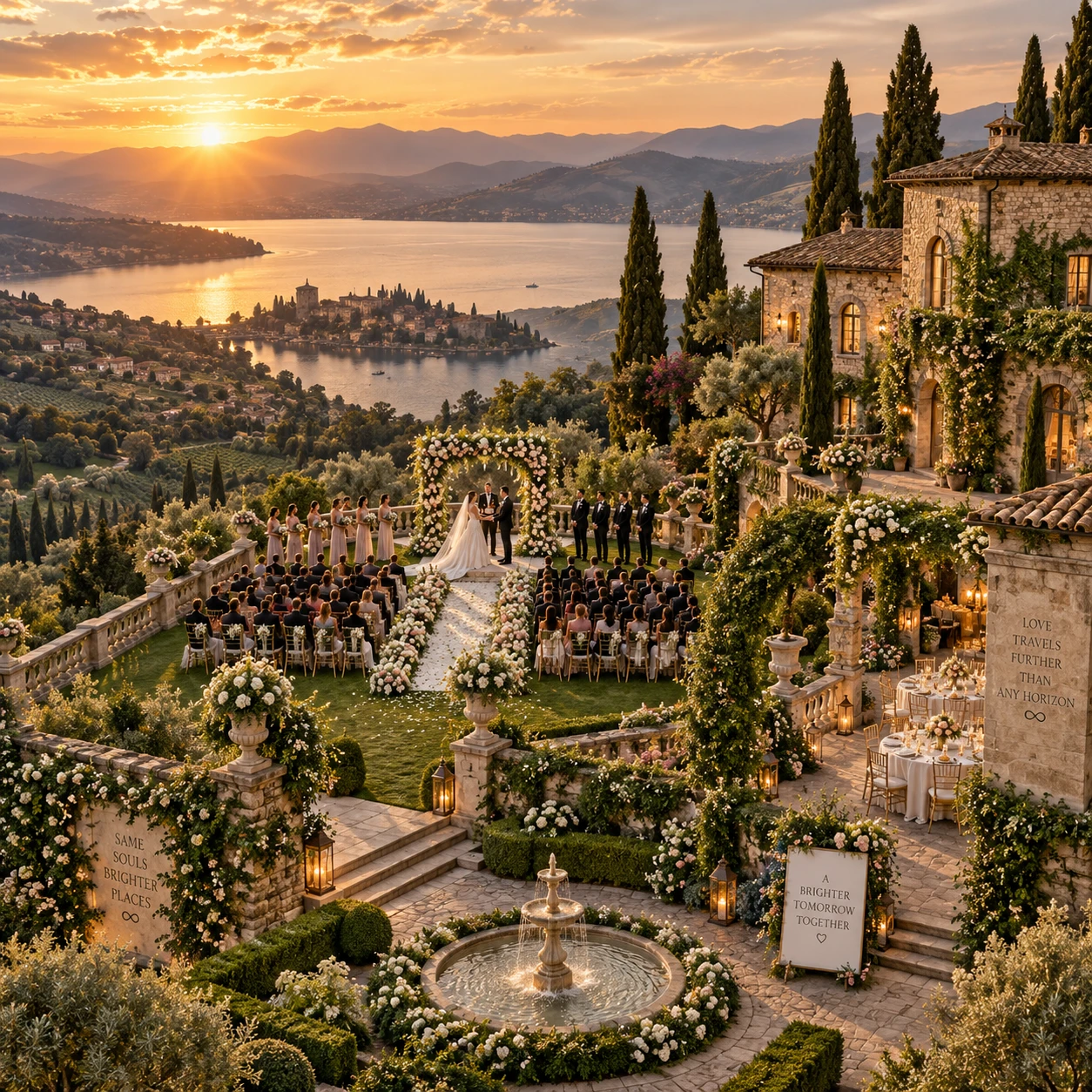
Aerial wedding photos can show what ground-level images cannot: how a venue sits in its landscape, how its grounds connect, and how a ceremony looks within the setting. With thoughtful planning, drone photography adds a sense of place to your wedding gallery without taking attention away from the people and moments at its heart.
The strongest results come from treating a drone as one tool in the photography plan. Talk with your photographer and venue early, choose a few purposeful shots, and keep safety, privacy, weather, and local rules in view.
Why Add Drone Photography to Your Wedding Gallery
Drone photography gives your wedding gallery a wider view of the venue’s setting, scale, and layout. It can connect the ceremony, landscape, and architecture in one frame while complementing portraits and candid photographs taken on the ground.
An aerial photograph can establish a sense of place before the gallery moves into close details: the stone manor among its gardens, a coastal venue beside the shoreline, or a barn framed by fields. It may also show the ceremony layout clearly, including the aisle, seating, floral arrangements, and surrounding grounds.
These images are especially useful when the venue itself is part of your story. Perhaps you chose a family home, a favorite stretch of coastline, or a destination where guests are gathering for the first time. A high viewpoint can reveal the context that makes the location meaningful.
There is a trade-off: a dramatic aerial image can feel impersonal if it appears without connection to the rest of the gallery. Use it as an opening or transition image, then pair it with photographs of people, details, and the moments unfolding below. Aerial photography should expand the story, not replace it.
The Best Venue Features to Capture from Above
The best venue features for drone photography are those whose shape, scale, or setting become clearer from above. Landscapes, architecture, gardens, coastlines, and ceremony arrangements often make compelling subjects when the flight location and conditions allow.
Ask your drone photographer to look for a distinctive feature rather than simply aiming straight down. A thoughtful angle might trace a garden path toward the venue, show a building against the hills, or include the shoreline as a natural frame.
- Landscapes and grounds: Capture tree-lined drives, rolling lawns, orchards, vineyards, or the transition from formal gardens to open fields.
- Architecture: Show rooflines, courtyards, terraces, towers, or the relationship between separate buildings on a large estate.
- Gardens and floral design: Photograph geometric beds, a flower-lined aisle, or a reception layout arranged beneath trees.
- Coastlines and water: Use the shoreline, cliffs, lakes, or rivers as context, while staying mindful of wind and any restrictions near the water.
- Ceremony arrangements: Include the seating pattern, aisle, altar, and couple in a composed frame, provided guests can be kept safe and the ceremony is not disrupted.
Scale matters. A very high, wide shot may make the couple and guests appear tiny; a lower, more carefully framed angle can show the setting while retaining the wedding’s human focus. Share venue photos or a map with the photographer beforehand so you can agree on a short list of views that are both meaningful and feasible.
Plan Aerial Shots Around the Wedding Day
To plan wedding drone photography, agree on a few shot windows with your photographer and wedding coordinator, then fit them around the ceremony, portraits, and guest flow. This protects the schedule and gives the drone photographer time to work when conditions are suitable.
Golden hour, the period shortly before sunset, often gives the grounds warm, soft light and long shadows that define gardens and architecture. It is popular for portraits too, so decide in advance whether the drone will fly during a separate window or capture a brief venue view while the couple is elsewhere. Light changes quickly; avoid building a packed shot list around one narrow time slot.
A practical plan might include a venue establishing image before guests arrive, a ceremony-layout photograph once the space is ready, and a sunset view if the location, weather, and schedule permit. The photographer should know when setup is complete and when guests will enter. Aerial images of an empty venue can be cleaner, while photographs with guests can convey energy but require more care around privacy and safe operation.
Keep the flight brief and flexible. If a key moment is underway, the drone should not compete with the ceremony or speeches for attention. Build in a backup window, and treat every proposed shot as optional until the pilot confirms conditions and permissions.
Work with Your Photographer and Venue
Work with your photographer and venue by agreeing on the purpose, shot list, responsibilities, and venue rules before the wedding day. Early coordination helps avoid duplicate coverage and clarifies who will make decisions if plans change.
First, confirm whether your wedding photographer also provides aerial photography or works with a separate drone photographer. Ask who will pilot the drone, who will photograph from the ground during a flight, and how the images will be edited and delivered. A ground photographer may need to step away briefly to coordinate, so plan coverage for any important moment during that time.
Next, share a focused shot list. Three or four priorities are usually easier to schedule than a long catalogue of possibilities. For example, you might ask for an establishing view of the estate, a top-down ceremony layout, and a wide image of the couple with the grounds after the ceremony.
Ask the venue about property policies, approved takeoff and landing areas, nearby restrictions, noise concerns, and guest-facing rules. Permission from the venue does not necessarily replace any flight approvals or legal requirements that apply locally. Your photographer or pilot should confirm what is needed for the specific location.
Finally, discuss the look of the finished images. Tell the photographer whether you prefer a natural documentary feel, polished editorial framing, or a mix. A shared visual plan makes it easier to blend aerial views with the colors and pacing of the rest of your wedding gallery.
Safety, Permissions, and Practical Considerations
Safe wedding drone photography depends on local flight rules, venue approval, suitable weather, and a clear plan to protect guests and property. The pilot should assess the location and be prepared to cancel or change the flight when conditions are unsafe or rules prohibit it.
Drone requirements vary by country and location, so do not assume that a small aircraft can fly anywhere or that a wedding booking automatically includes permission. Check applicable local aviation regulations and any restrictions around airports, protected sites, or crowded areas. In the United States, the Federal Aviation Administration provides official guidance on [drone rules and requirements](https://www.faa.gov/uas), but requirements differ elsewhere.
Guest privacy and safety deserve direct attention. Tell guests in advance if drone photography is planned, especially if the drone may operate near outdoor seating or a reception area. Agree on a safe operating zone with the venue, keep the aircraft away from people, and follow the pilot’s instructions. If the proposed shot would require flying over a crowd or placing guests at risk, choose another angle.
Weather and wind can change the plan. Gusts, rain, poor visibility, or other unsafe conditions may ground a drone, even if the forecast looked promising earlier. Ask the photographer how they will make the go/no-go decision and whether they can capture equivalent ground-level images if flying is not possible. A responsible cancellation is part of a good photography plan, not a failure.
Common planning mistakes are easy to prevent:
- Assuming the venue’s approval covers every requirement: Property permission and local flight rules are separate questions. Confirm both with the venue and qualified pilot.
- Leaving the flight until the day: Late planning can expose conflicts with venue policies or the schedule. Discuss the location and shot list well ahead of time.
- Expecting the drone to fly in any weather: Pressure to get a shot should never override safe operating conditions. Agree on a ground-based alternative.
- Ignoring guest communication: Unexpected overhead photography can make guests uncomfortable. Explain the plan and keep the operating area clear.
Make Drone Images Feel Part of the Story
Drone images feel part of your wedding story when they support the gallery’s pacing, color, and emotional focus. Place wide venue views alongside photographs of the couple, guests, and details so the aerial perspective adds context rather than interrupting the narrative.
A useful sequence moves from wide to close: begin with the venue in its landscape, show the ceremony arrangement, then shift to the couple’s expressions, a parent’s reaction, or hands adjusting a veil. Later, an aerial view can mark the transition from ceremony to reception. This gives the photograph a clear role instead of treating it as a stand-alone spectacle.
Consistency in editing helps too. Ask the photographer to keep the aerial images’ color, contrast, and warmth compatible with the rest of the gallery. The view from above may have different light and texture, but it should still feel as if it belongs to the same day.
Choose images for meaning, not height. A modest view of the couple beneath a familiar oak may carry more personal weight than the widest possible shot of the property. When a drone image captures both the setting and a detail tied to your celebration, it earns its place in the collection.
Frequently Asked Questions
Can a drone fly at every wedding venue?
No. Venue policies, local flight regulations, nearby restrictions, airspace, and safe operating conditions may prevent drone use. Confirm the specific requirements with the venue and pilot before booking or planning a shot.
When is the best time to take wedding drone photos?
Golden hour often provides flattering, warm light, while an earlier flight can capture an empty venue or a completed ceremony layout. The best time depends on the location, schedule, weather, and applicable permissions.
Do wedding guests need to be told about drone photography?
Tell guests in advance if a drone will be used near them or during an outdoor event. Clear communication supports comfort and privacy, while the pilot and venue should establish a safe area for operation.
What happens if weather prevents a drone flight?
The pilot should postpone or cancel the flight when conditions are unsafe. Your photographer can focus on ground-level venue details, portraits, and candid moments instead, so the gallery remains complete even without aerial images.