How to Plan a Wedding Photography Timeline for a Stress-Free Day
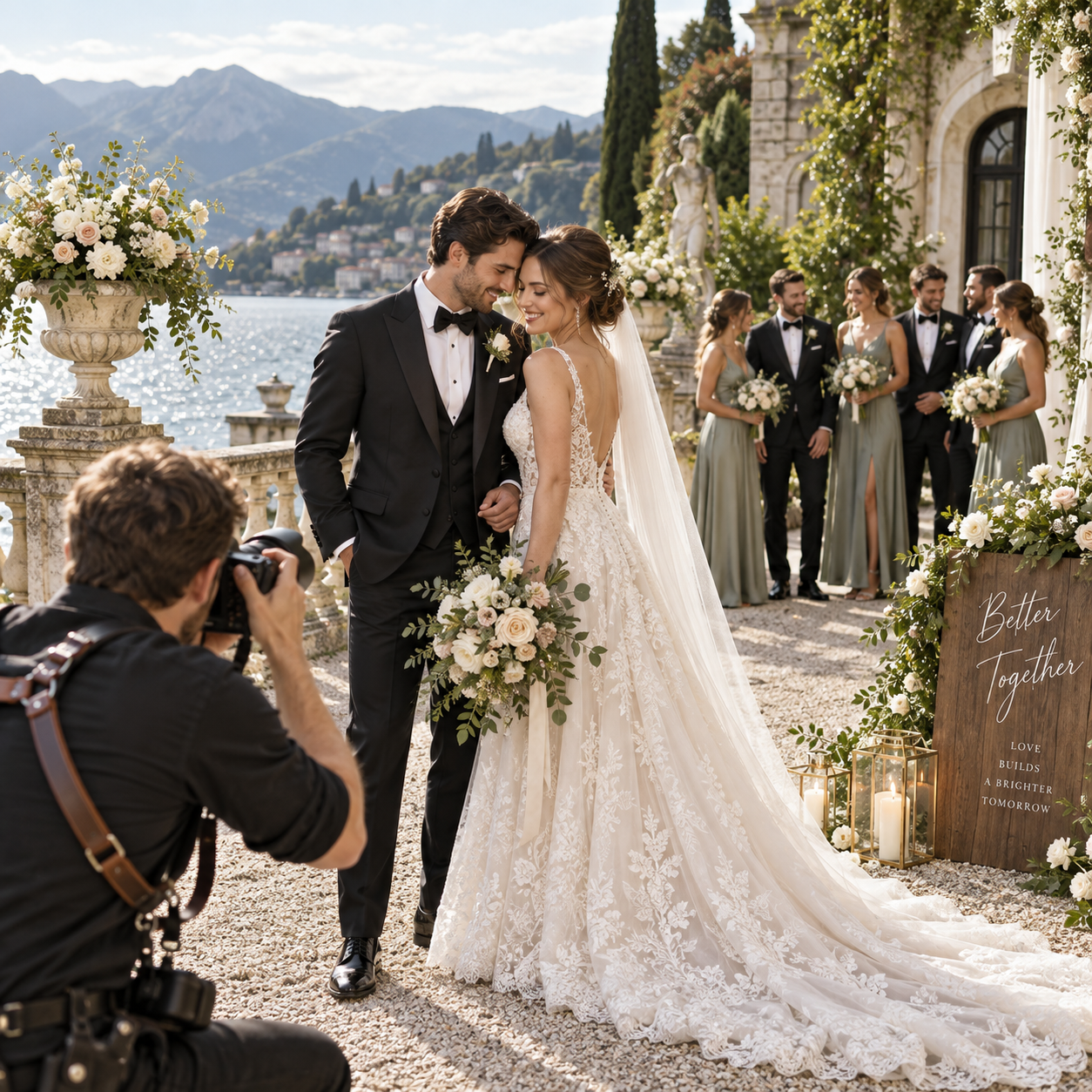
A thoughtful wedding photography timeline gives your photographer time to capture the moments that matter without turning the day into a series of rushed appointments. Start with fixed events, then fit in getting-ready photos, portraits, family formals, travel, and breathing room around them.
There is no single schedule that suits every wedding. The right plan depends on your ceremony time, venue layout, priorities, season, and whether you want a first look. Use the time blocks below as planning ranges, then confirm a final schedule with your photographer.
Start with your ceremony time and key events
Build your wedding photography timeline backward and forward from fixed commitments: the ceremony, reception entrance, and meal. These events anchor the schedule, while photo sessions and transitions fit into the available windows around them.
First, write down the ceremony start time and how long the ceremony is expected to last. Add the reception entrance, dinner service, speeches, and any venue deadlines that affect photography. Then ask your photographer how much coverage you have and when they need to be in place.
Next, map out the non-negotiable moments. If dinner must begin at 6:30 p.m., for example, your schedule should protect time for the reception entrance and any planned photos before guests sit down. Avoid placing a long portrait session immediately before a fixed event; even a small delay can make the rest of the day feel rushed.
- Anchor points: ceremony, reception entrance, meal, speeches, and coverage end time.
- Flexible blocks: getting-ready photos, couple portraits, wedding party portraits, and family formal photos.
- Venue constraints: access times, room changes, ceremony setup, and travel between locations.
Think in blocks rather than minute-by-minute instructions. A timeline can show a 20-minute portrait window while leaving room for a few minutes of movement and settling in. Share the draft with your photographer before sending it to the wedding party, since they can flag conflicts you may not see.
Decide when to take couple and wedding party portraits
Schedule couple portraits and wedding party portraits either before the ceremony, often with a first look, or afterward during the gap before the reception. A first look creates more portrait time earlier; waiting preserves the traditional aisle reveal but can leave a tighter post-ceremony window.
With a first look, couples commonly set aside about 15–30 minutes for the private meeting and couple portraits, then another 20–30 minutes for wedding party photos. These are planning ranges, not guarantees: the venue, group size, and photographer’s approach all affect the pace. The practical benefit is that you can join guests sooner after the ceremony.
If you skip the first look, plan couple portraits and wedding party photos after the ceremony. Allow roughly 30–45 minutes for the combined sessions, adjusting for group size and the distance to portrait locations. Guests may need a clear plan for cocktail hour while photos happen. Some couples split portraits, taking a few couple photos during cocktail hour and saving a short session for golden hour.
The choice is personal. A first look can make the schedule easier and offer a quieter moment together, but it changes when you see each other in wedding attire. Waiting for the aisle can be meaningful, though it may reduce time with guests or require a longer gap between the ceremony and reception.
Tell your photographer which portraits matter most. If you want unhurried couple photos, protect that block instead of letting extra group combinations consume it. Keep the wedding party close by and ready when their session begins.
Build in getting-ready and family photo time
Allow dedicated time for getting-ready photos and family formal photos, and make sure the photographer knows which details and people are priorities. A clear shot list and a designated family helper prevent these blocks from stretching unpredictably.
For getting-ready photos, ask your photographer how much coverage is useful for your plans. About 30–60 minutes at the final preparation location can allow time for candid moments, finishing touches, and details such as invitations, rings, attire, and bouquets. If hair and makeup are happening elsewhere, account for travel and avoid scheduling the photographer to arrive before there is anything meaningful to photograph.
Family formals usually work best right after the ceremony, when immediate family members are already gathered, or at another time everyone can attend. Set aside around 20–30 minutes for a focused list, with more time if you have many combinations or mobility needs to consider. Keep the list specific and manageable.
- Write each grouping clearly, such as couple with both parents or couple with siblings.
- List names when relatives may not recognize one another.
- Choose a family member or friend to gather people and check names off.
- Tell family members where to wait and when to be ready.
Without a helper, the photographer may have to search for relatives instead of taking photos. Also, don’t assume every family combination needs a separate formal portrait. Prioritize the people and groupings you genuinely want, then leave a little time for unexpected requests.
Account for travel, transitions, and buffer time
Include travel time between every photography location, plus time to gather people, move equipment, and settle into the next setting. Add buffer time around important photo blocks so a small delay does not push the entire day off schedule.
Map the real route between the preparation space, ceremony site, portrait locations, and reception venue. Use realistic door-to-door estimates, not just driving time: parking, loading, walking, traffic, and venue access all take minutes. If guests and the wedding party are traveling separately, check that everyone knows where to go and when to leave.
A useful starting point is to add 10–15 minutes of breathing room around major transitions, then increase it for long drives, large groups, or complicated venue layouts. This is a planning guideline rather than a universal rule. Ask your photographer and planner to identify where a delay would have the biggest impact, and protect those points first.
Transitions count as part of the photography schedule. A portrait block at a garden across the property may need walking time on both ends. Changing locations can also mean carrying bouquets, adjusting attire, or gathering the group again. Put those tasks into the plan rather than expecting them to happen instantly.
A simple test: if the schedule has no room for a late car, a missing relative, or a few minutes to breathe, it is too tight. Buffer time may feel like unused space on paper, but it helps preserve the moments you planned to photograph.
Coordinate the timeline with your photographer and wedding party
Review the wedding photography timeline with your photographer before treating it as final, then share the relevant arrival times and photo responsibilities with the wedding party. The photographer can check the sequence against your coverage, locations, and portrait priorities.
Provide practical details: venue addresses, room names, access instructions, contact information, travel plans, and any restrictions on flash or movement. Share the ceremony and reception schedule too, so the photographer can anticipate key moments instead of relying on last-minute direction.
Ask your photographer to help answer three questions:
- Are there enough minutes for the portraits and details we care about?
- Does the travel and transition time reflect how the venues actually work?
- Which photo block should move if the schedule runs late?
Then give the wedding party a short, useful version of the plan. Include when they need to be dressed, where they should meet, and whether they are needed for a first look or portraits. A trusted point person can gather family members for formals while you stay present with guests.
Agree on priorities in advance. For instance, if the ceremony starts late, you might shorten wedding party portraits while keeping a few minutes for couple photos. That decision is easier when your photographer knows what matters most, rather than having to improvise under pressure.
Adapt the schedule to the season and lighting
Plan outdoor portraits around the daylight available on your wedding date, and keep an indoor or covered option ready in case the weather changes. Your photographer can help place couple portraits and golden hour photos where the light works best.
Golden hour is the period shortly before sunset when daylight is often softer and warmer. Its timing shifts with the season and location, so check the sunset time for your wedding date rather than relying on a generic schedule. If sunset falls during dinner, a brief portrait break may be possible; confirm it with your photographer and venue so it does not disrupt service or speeches.
Bright midday sun, shade, clouds, and indoor lighting each create different photographic conditions. A skilled photographer can adapt, but the location still matters: a shaded courtyard may be more comfortable than an exposed lawn, and a nearby covered area can help if rain begins. Build flexibility into the plan instead of depending on perfect weather.
For a seasonal schedule, note the sunset time, the ceremony end, and the route to your preferred portrait spot. If there is little daylight after the ceremony, consider a first look or a short pre-ceremony portrait session. If plans change, follow your photographer’s guidance on the safest and most workable alternative.
Wedding photography timeline FAQs
These quick answers can help you choose realistic photo blocks, but your photographer should tailor the final timing to your venue, group size, and priorities.
How much time should we allow for wedding portraits?
As a starting point, plan about 15–30 minutes for couple portraits and 20–30 minutes for wedding party portraits. A combined post-ceremony session may need roughly 30–45 minutes or longer, depending on group size, travel, and the style of photos you want.
Should we do a first look?
A first look can create private time together and move portraits before the ceremony, leaving more of the post-ceremony period open. Skipping it may better fit your preference for a traditional aisle reveal, but it can mean a tighter portrait window afterward.
When should family photos happen?
Family formal photos often happen just after the ceremony, while relatives are gathered, or at another scheduled time that suits the day. Prepare a short list and assign someone who knows the family to help assemble each group.
How much buffer time should we add?
Start with about 10–15 minutes around major transitions, then add more where travel, venue layout, or group size makes delays likely. Your photographer can help identify which blocks need the most protection.
What if it rains or the schedule runs late?
Choose a covered or indoor portrait option in advance and ask your photographer to rank photo priorities. If the schedule slips, make one planned adjustment, such as shortening a group session, rather than cutting every block by a few minutes.
A stress-free wedding photography timeline is flexible by design. Anchor it around fixed events, allow realistic time for each photo block, and confirm the details with your photographer. The aim is to create space for meaningful images while still letting you experience the day.