Documentary vs. Traditional Wedding Photography: Which Style Is Right for You?
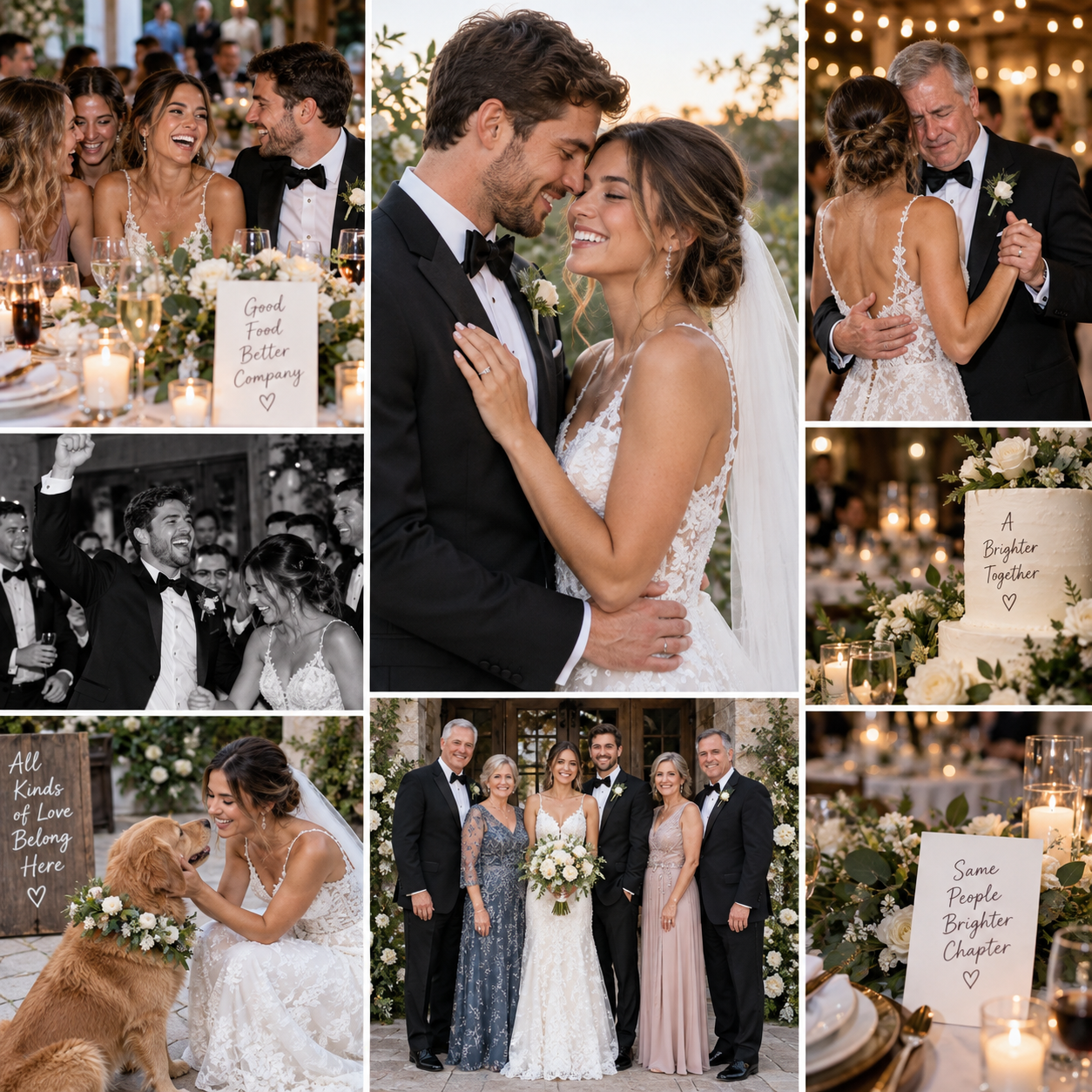
Choosing a wedding photography style shapes more than the appearance of your gallery. It also affects how much direction you receive, how your wedding day timeline is organized, and which moments receive the most attention. Documentary wedding photography focuses on authentic storytelling, while traditional wedding photography gives greater priority to planned poses and formal compositions.
Neither approach is automatically better. The right choice depends on your personality, family expectations, venue, schedule, and the way you want to remember the celebration. Many couples also choose a thoughtful combination of both.
What Is Documentary Wedding Photography?
Documentary wedding photography is a story-led approach that records genuine moments with minimal photographer direction. It emphasizes candid wedding photos, natural interactions, and the emotional rhythm of the day as it unfolds.
A documentary photographer typically observes rather than repeatedly interrupting. They may photograph a parent buttoning a jacket, friends laughing during cocktails, or a quiet exchange between newlyweds after the ceremony. The goal is to preserve context and feeling, including moments you may not notice while greeting guests.
This approach usually involves limited posing. Your photographer might suggest where to stand for flattering light or gently guide you through a short portrait sequence, but they are less likely to arrange every hand, expression, and angle. The resulting wedding album often feels spontaneous and connected, with images that form a visual narrative.
Documentary coverage does not mean the photographer works passively or without planning. Experienced professionals still study the wedding day timeline, anticipate important events, manage light, and position themselves discreetly. Their direction is simply quieter and more focused on preserving what naturally happens.
What Is Traditional Wedding Photography?
Traditional wedding photography uses a structured, photographer-led approach built around planned poses, formal portraits, and carefully composed images. It is especially suited to couples who want clear coverage of family groups, wedding-party portraits, and classic images of the couple.
During a traditional session, the photographer may direct your posture, hand placement, facial expression, and position relative to the light. They will usually create a shot list and organize people efficiently for family and group photographs. This structure can be reassuring when relatives have specific portrait expectations.
Traditional photography also commonly includes images of the ceremony, reception, details, and candid interactions. The distinction lies in the balance: planned compositions and photographer direction play a larger role than they do in documentary coverage.
The final gallery often has a polished, orderly feel. You can expect recognizable portraits designed for framing, thank-you cards, and a wedding album, along with coverage of the people and rituals that matter most to you.
Documentary vs. Traditional Wedding Photography: Key Differences
The main difference is the photographer’s level of direction: documentary photography observes and interprets the day, while traditional photography actively organizes many images. Both can include emotion, family portraits, and candid moments, but they allocate time and attention differently.
| Feature | Documentary approach | Traditional approach |
|---|---|---|
| Image style | Natural, spontaneous, story-driven | Posed, polished, formally composed |
| Photographer direction | Minimal and discreet | Regular and hands-on |
| Couple portraits | Brief prompts or natural interactions | Planned poses and varied compositions |
| Family photographs | Often shorter and carefully prioritized | Usually a central part of the schedule |
| Timeline needs | Flexible, though key events still require planning | Dedicated portrait blocks are important |
| Gallery feeling | Immersive and emotionally observed | Complete, formal, and highly organized |
In practice, these categories overlap. A documentary photographer may produce beautiful posed wedding portraits, and a traditional photographer may capture expressive candid wedding photos. Portfolio review matters more than the label.
Pay particular attention to full wedding galleries rather than a photographer’s favorite twenty images. A curated portfolio can hide whether they consistently cover family groups, transitions, reception energy, and quieter moments. Ask how much time they normally reserve for portraits and where photographer direction appears in the day.
Pros and Considerations of Each Photography Style
Documentary and traditional wedding photography each offer meaningful advantages, but each also involves trade-offs. The best fit depends on which experience and images you value most.
Documentary wedding photography
- Strength: Candid wedding photos often feel emotionally authentic because people interact naturally.
- Strength: The photographer can remain unobtrusive during conversation, dancing, and family interactions.
- Strength: A flexible timeline may leave more room for guests and spontaneous moments.
- Consideration: You may receive fewer carefully controlled portraits unless you request them.
- Consideration: Large family groups can be difficult to photograph efficiently without firm organization.
Traditional wedding photography
- Strength: Photographer direction helps create consistent portraits, especially for couples who feel uncertain in front of the camera.
- Strength: A formal shot list makes it easier to include parents, grandparents, siblings, and the full wedding party.
- Strength: Planned compositions provide dependable images for display and album design.
- Consideration: Portrait sessions require protected time in the wedding day timeline.
- Consideration: Frequent organization can make the day feel more structured and less private.
A common mistake is assuming documentary means no planning or traditional means no spontaneity. In reality, a skilled photographer uses planning to protect the moments you care about. Choosing more formal coverage for reliable family portraits means accepting some interruption; choosing a purely observational approach means accepting less control over expressions and backgrounds.
Which Style Fits Your Personality and Wedding Day?
The right wedding photography style fits the way you want to feel during the celebration and the memories you want to preserve afterward. Consider your comfort with posing, your guest relationships, your venue, and the amount of time available for portraits.
Documentary coverage may suit you if you dislike being directed, value small interactions, or want to spend most of the reception with guests. It can work particularly well for informal weddings, outdoor celebrations, and venues where movement and atmosphere are central to the experience.
Traditional coverage may be a better match if you want a comprehensive list of formal portraits, have a large family, or feel more confident when someone gives clear instructions. It is also practical when parents and relatives strongly expect classic group photographs.
Use this quick decision framework:
- Prioritize: Decide whether your first-choice images are candid interactions, posed portraits, or an intentional mix.
- Measure: Estimate how much time you can reserve for couple, wedding-party, and family photographs.
- Match: Review complete galleries from venues and lighting conditions similar to yours.
- Clarify: Discuss how much direction you want and which people or moments must be photographed.
If your answers are mixed, that is useful information rather than a problem. It likely points toward a customized approach.
Can You Combine Documentary and Traditional Photography?
Yes, you can combine documentary and traditional photography in one wedding gallery. Many photographers offer formal family portraits and directed couple images while documenting the rest of the day with a candid, unobtrusive approach.
A blended plan might reserve 20 to 30 minutes after the ceremony for family and wedding-party photographs, followed by a shorter couple session. During getting ready, the ceremony, cocktail hour, and reception, the photographer can work primarily as an observer.
Share your priorities in specific terms. For example, ask for a classic portrait with grandparents, a few directed images of the two of you, and candid coverage of guests during dinner and dancing. This is more useful than simply requesting a photographer who is both documentary and traditional.
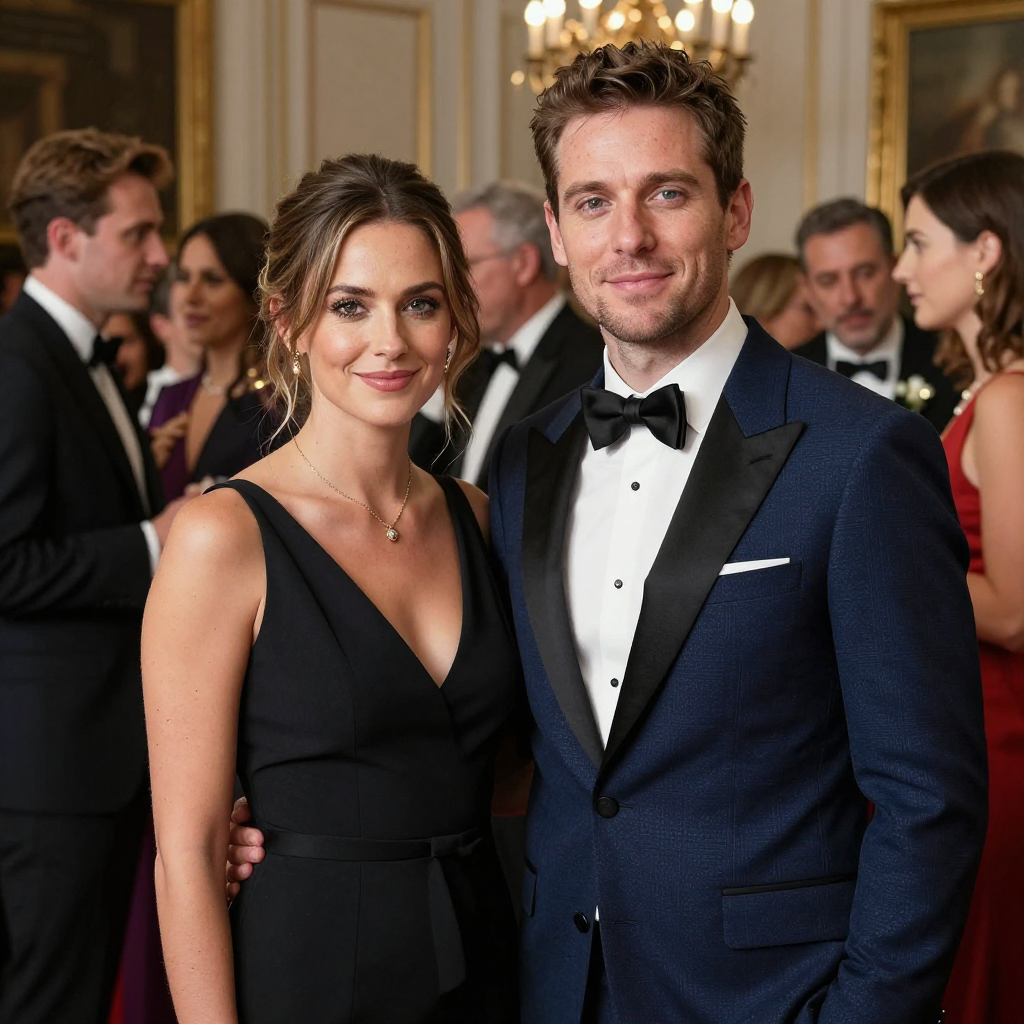
The success of a blended style depends on communication and timeline design. A photographer cannot create relaxed candid coverage if every minute is assigned to posed portraits. Conversely, formal group photos need a list, a coordinator, and enough time to gather people.
Questions to Ask Before Booking Your Wedding Photographer
Ask direct questions during your wedding photographer consultation to understand the photographer’s real working style, not just the wording used on their website. Request a complete gallery and discuss how they would approach your specific wedding day.
- Can you show me a full wedding gallery, including family photographs and reception coverage?
- How would you describe your wedding photography style, and how much photographer direction do you normally give?
- How do you handle candid moments when the day becomes busy or lighting changes?
- How much time do you recommend for couple portraits, wedding-party images, and family and group photographs?
- Do you create a formal shot list, and who helps gather relatives for portraits?
- How do you adapt if the wedding day timeline runs late?
- Can we request both posed wedding portraits and documentary coverage?
- How do you help couples who feel uncomfortable posing?
- What coverage is included, and how are images delivered in the final wedding album or gallery?
Notice whether the photographer listens carefully and responds with practical examples. A strong consultation should leave you with a clearer plan, including the balance between portraits, guest time, and observation.
Frequently Asked Questions
What is the difference between documentary and traditional wedding photography?
Documentary wedding photography emphasizes candid moments and minimal direction, while traditional wedding photography relies more heavily on planned poses, formal portraits, and photographer-led compositions. Most professionals combine elements of both to some degree.
Is documentary wedding photography completely unposed?
No. Documentary photographers may give gentle prompts, adjust your position for better light, or organize essential family portraits. The difference is that they generally avoid directing every image and allow interactions to develop naturally.
Does traditional wedding photography include candid moments?
Yes. Traditional wedding photographers often photograph laughter, hugs, dancing, and other spontaneous events. Their overall approach simply gives more priority to planned portraits and structured coverage.
Can a photographer combine both styles?
Yes. You can request formal family and couple portraits alongside candid coverage of preparation, ceremony, guests, and reception events. Confirm this balance by reviewing full galleries and discussing the wedding day timeline.
Which style is better for family and group portraits?
Traditional wedding photography usually provides the most structured experience for family and group portraits because the photographer directs posing and gathers people systematically. A documentary photographer can also create these images, but you should confirm that formal group coverage is part of their service.
Your decision does not need to fit a strict label. During the wedding photographer consultation, describe the people, moments, and feelings you most want to remember, then ask the photographer to explain how their coverage would protect those priorities. The strongest match is a professional whose portfolio, direction, timeline planning, and communication feel right for your celebration.